Pitching a TV Show
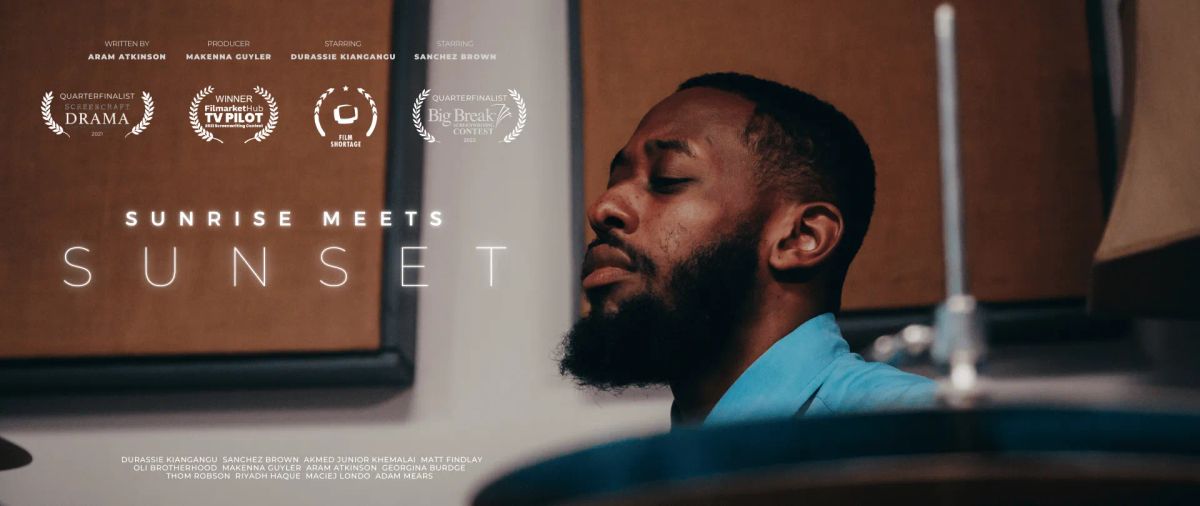
Ever wondered what it’s like to pitch an idea to executives working in the top TV studios in the world? So did I, and then in the summer of 2021, I was invited to pitch my TV series concept to the makers behind Joker, Arrival, and channel 4’s Utopia.
Here’s how I got the opportunity, what it was like, and the things I would recommend to anyone about to face the same pitch meetings!
So in the early summer of 2021, I found out I would be pitching my TV pilot screenplay to some of the world’s most successful production studios, including the makers of BBC’s Line of Duty, Netflix’s Sense8, and Amazon’s Hanna amongst others (including one of my favorites; Channel 4’s Utopia).
I came away from my meetings with six executive email addresses in hand, four of which requesting to read the script, one offering a follow-up meeting to consider taking my series further, and a contact at my favourite studio of the bunch who I have since spoken to on a regular basis to pitch other ideas.
All in all, considering I had never done anything like this before, I would call that a success. But how did I get there? And how did I manage to go from awkward-self-deprecating-writer to compelling-salesman with only two weeks notice?
It’s not quite as easy as you’d think to find detailed insight from people who have actually been in pitch meetings with genuine world-shaping companies. So, now that I’ve emerged from the pitching arena, and fully aware of the glaring lack of accessible help in this area, I am going to talk through six points that I believe are crucial to improve your chances of not only hopefully getting your screenplay picked up, and more importantly, gaining some huge wins even if your script doesn’t get optioned.
First though, let me answer what is probably your most dying question…
How did I even get into the room?
There are two main ways of getting yourself into a pitch meeting. The first is to have the connections already in place, which usually means having friends in high places or an agent who really fights your corner. I had neither, which meant relying on route 2 — a screenwriting contest placement.
There are numerous screenplay contests out there, and placing (i.e. being chosen in a shortlist round) can help you get an agent interested in reading your work, whilst winning can get you directly into the room. FIlmarket Hub was a platform that ran some incredible contest until it shut down, which is sadly a reality many screenwriting contests are also facing right now, with the main script-admission site Coverfly closing its doors this summer. But back then, Filmarket Hub had a contest that included a pitchbox event, which offered eight writers a chance to pitch their TV series or feature. You could apply just for that, but one of those places was saved for the winner of the TV Pilot (and Feature) screenplay contests…
I entered their 2021 UK TV Pilot screenplay contest with about as much expectation of winning as entering a lottery. That’s not to say I didn’t believe my script was good, but these contests always feel like an expensive lottery ticket.
But I did win! As a result, I was automatically selected to some of the world’s top studios. So how did I prepare for one of the most pivotal and intimidating parts of my writing career, and how can you?
Here are 6 lessons I learned from this incredible experience
1. Be prepared: Assets, practice and knowledge
Eight years ago, I had an interview for some short film funding and a mentorship program. I was in the final three out of a hundred applicants, and I was quietly confident; I had always done well in job interviews.
To say I ‘bombed’ is a huge understatement.
It was a humbling and painful lesson in the consequences of poor preparation. As far as interviews go, it was right down there as one of the worst. In my defense, I had to do 90% of the interview with a staff member interrupting and making lattes on the ear-piercing barista machine a mere meter behind me, and I had overheard another interviewer saying they’d already got the position before I even walked in. I also suffered through some questions that seemed ridiculous at the time, and only seem more ridiculous still three years on. Nevertheless though…I knew that even if none of that had happened, I wouldn’t have got it.
I had naively assumed I could get my vision across simply by improvising my way through it, with very little prep and no visual assets whatsoever. It didn’t work. If you want to have a reasonable shot, then you need to be as prepared as you can. I’ve broken down what and how to prepare into three sub-categories, but all of these fall under one general rule of advice: be as absolutely and thoroughly prepared as you can.
A) Assets
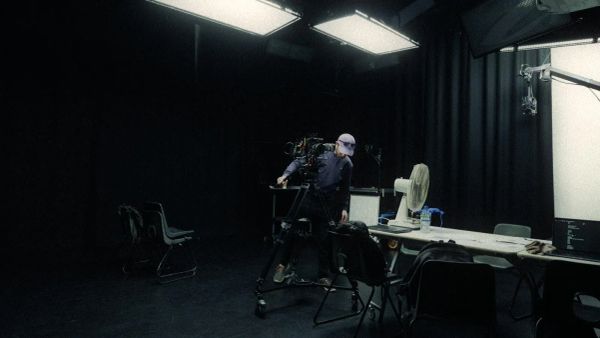
Get as many assets together as possible. I had already written a script when this opportunity came up, but in two weeks I also created a series bible, shot a proof-of-concept scene, made a pitch video with referenced shows and images, and even created a character bio document for the actors in the proof-of-concept.
Did all of the executives see all of these? No. Of course not. But when an executive asked to see more, I was ready. Imagine how much stronger it looks if someone can produce a series bible and flavor of the world, versus someone who has to awkwardly admit they don’t have anything ready. It lets an executive know that you are serious.
A huge added benefit to consider, is that with every asset you create, the clearer your vision becomes; creating all these extra materials allowed me to speak with greater clarity and conviction about every aspect of my show.
I would prioritise creating assets in this order, from first to last: series bible, pitch video, a script (if you haven’t written one already, as some companies prefer to develop one together), and a proof-of-concept film.
B) Mock pitches with friends
I cannot overstate how much this will help you. Before you get in the room, try to convince some friends to run through some mock pitches with you, ideally in as close a format as possible to how you will actually be presenting. I set up three mock pitches, thanks to the generosity of some friends, including a producer, an actress, and a high-level philanthropist. You’ll be pleasantly surprised by how many people want to be involved! If anything they’ll feel valued that you’ve chosen them to help you.
The main reason this proved to be so helpful was that it exposed any holes I had in my pitch. There were some areas I was super confident in answering, and as such, I didn’t need to spend any time scripting answers. Audience relevance and historical context? Easy. I could answer that all day. But other questions that you think would simple, and were guaranteed to come up, left me stumped. Questions like ‘so what’s it about?’
It’s far better to prepare responses for the questions you fear the most, rather than hope they don’t come up, because I promise you they will. The more you face the uncomfortable questions with your friends, the less it will throw you off in the real thing. The other benefit of this exercise is that your friends will get you excited and give you some much-needed self-belief. You can’t beat a good pep talk!
You should also make sure you practice cold pitches, where you have to explain the entire concept with no visuals or previously shared documents. Out of the thirteen meetings, about six had watched the pitch video that had been sent a few days ahead and were passionately engaged with the story, four had read the one-page (synopsis and logline) and were intrigued with a general understanding, whilst three hadn’t seen anything at all, so knew literally nothing about me or the project.
Be prepared for all situations! Don’t be offended if they haven’t watched anything you’ve sent them, they are inundated with pitches and are more than likely looking for a reason to say no. Don’t give them one.
C) Research. Research. Research.
It might not be as necessary as the previous preparation points, but research still helps. I watched at least one film/episode from every production company I was going to be meeting with, so I understood what sort of content they were drawn to and how I could best position my concept to them. It’s often suggested that you should ask executives at the beginning of meetings what they are looking for so you can alter your pitch from the get-go, but there’s only so far you can adapt your delivery before the concept becomes a make-or-break conversation.
It also pays to have a heightened awareness of what’s currently being made, not just by them, but in general. The sheer amount of knowledge these executives have of other television shows, directors, writers, actors — it is incredible. They will talk about market trends and how your idea seems similar to others, and it’s up to you to both be able to say how your idea is different and why it is relevant, even if it doesn’t fit the trend. I would definitely recommend having a logline or two for different concepts you’ve been thinking up just in case though!
2. Disarm their defense and meet them at their level
So you’ve got yourself a meeting and you’ve done all your prep, now you’re in the room…gulp.
Relax. They may have big scary titles, but they’re also normal people who burn toast, drop their phones on their face, and will have dealt with more than their own fair share of rejections in life. Talk to them like a human, not a computer survey.
For some of these executives, I was the fourth, fifth, sixth person that would have pitched to them that day, and if they are going to be engaged and excited, you first need to spark some energy into the conversation. Unless they were the ‘no BS, get on with it’ type of person, I always tried to start the meeting by just chatting.
“Hey, so nice to meet you, I love that poster on the wall!”
“How’s the morning been? Did you do this two years ago? Must be quite different doing it on zoom rather than in person!”
“I’ve never met another Aram before! I have to ask, how do you pronounce it? I’m worried I’ve been getting it wrong all these years…”
Not only does this help get them actively engaged again, but it also lets them know that you’re not fearful or desperate; you are a talented and professional writer and exactly the sort of person they would want in the office and to go to the pub with after.
3. Pivot when someone checks out early
There will be some execs who let you know right off the bat that they aren’t interested and make it very clear that they aren’t in the market for what you’re selling. In these moments it can feel like crushing defeat and a personal sleight of your ability, but it really isn’t either of these…
The disheartening reality is that as much as you or I would love for our pilots to get picked up, there’s only a very slim chance of that happening, and no matter how convincing we may be, this is ultimately out of our control. There are so many reasons your project might not be right; it could be it clashes with their preferred genre style or that they already have something very similar in the making.
I was well aware of the slim chances going into these pitches, which is why I set myself two main goals that were in my control, because there’s no knowing how long it may be until the next opportunity comes around. I can cautiously say that I achieved them both:
1. Learn as much as possible to better my chances for next time
2. Build at least one strong rapport in the hope of developing new and experienced connections
When someone quickly lets you know they are not interested, that gives you an opportunity to learn more about them, their company, and the inside scoop on industry trends. People love to be asked questions, and executives like to have the opportunity to tell you more about what they do, so indulge them and gain something at the same time! The most dismissive meeting I had in regards to my pilot ended up also one of the most enlightening, with the executive all too happy to suggest how I might best get my project picked up, what was currently in development, and how different countries and regions like to select work. It was a free, turbo-injected 1-on-1 mentoring session.
Giving up and checking out early can be an easy trap to fall into if it becomes obvious that they are not interested in your project. DON’T! Instead, pivot, and take the opportunity to gain as much knowledge as you can, and build a rapport. You never know, they may end up giving you their email anyway, just because they like you.
4. Don’t over-talk
Over-talking is a huge problem and one you need to get a grip on immediately if it’s something you tend to do.
The pitches I felt went best were the ones that I managed to silence that nagging voice in my head, desperate to fill any moment of silence with more rambling. Don’t fill the silence, instead, give them the space to ask the questions they want and need to ask.
If you just talk, you’ll end up getting yourself into a mess and coming across as unassured in your own idea. It is vital that they come away with a clear understanding. We think by talking more we are helping illuminate our complex idea, but often we end up making it sound far more complicated than it actually is!
If you, the creator, can’t seem to untangle the maze of your own show, then how can you expect anyone else to? It hardly inspires confidence…
The whole purpose of the pitch is to leave them wanting more, to have them think “wow! I love this, it sounds great, how can I find out more?”. If you’ve done your job properly, then there are going to be other assets that can be accessed afterwards to provide the details. A friend explained it really simply to me like this:
‘When they’ve finished this meeting, they’ll have to go and convince someone else that your idea is as exciting as you think it is. They won’t want to relay a confusing story that takes 20 minutes to explain. They should be able to sum up your concept and main character(s) so quickly that they can go and get a whole office excited within a coffee run.’
5. Think Beyond Creation: Think Distribution
I know this isn’t as fun, nor is it your area of expertise in all likelihood, but I was taken aback by just how much this question seemed to come up, and it goes to show — output needs to be considered just as much as input.
Why is this? Well, if I had to guess (and I won’t lie, I kind of am guessing here), it would be because of this: Producers don’t want ideas that scratch your artistic itch, they want ideas that scratch an audience’s itch. If you don’t know who your audience is, nor where they spend their precious time and money, then how can you possibly claim to have created something that suits them, and not just you?
This is the area that on reflection I felt least prepared for, and going forward will definitely be one I will be giving more consideration to. At the end of the day, whether you’re selling movies, plants, or tennis lessons, it all comes down to identifying your target audience.
6. Be Nice, be Genuine, and be Honest
Your idea may not sell for so many reasons, and you may not even know why that reason is, but you can still sell yourself by just being an all-round decent person, and that may get you an opportunity that you didn’t even know was on the table.
There were three executives who told me that whilst there wasn’t a home for my project on their slate, they resonated with my collaborative approach to writing and further development, and ended up passing on their emails with encouragement to stay connected. One even offered to be a sounding board if I ever needed it, and that alone, from a top studio executive, is priceless and something I could only dream of as an option three weeks ago.
So how do you come across as nice and genuine and honest, specifically?
Don’t be offended if they haven’t read your materials, instead be understanding and helpful. These are busy people, and they receive so many of these pitches, you can hardly fault them if they choose to spend their Thursday evening with their kids rather than reading your 20-page series bible.
Do take a genuine interest in them as people, it makes all the difference. If they have a cool poster in the background, acknowledge it. If you know they’re jetlagged from a shoot, offer them sympathy and kindness.
Don’t pretend you’ve seen work of theirs, or anybody’s, that you haven’t. You’ll get found out and it will not look good. It’s better to appear uninformed than untrustworthy.
Be proud of who you are and the quirks that make you, you. My script is drawn from very nerdy aspects of my personality. If I pretended these quirks of mine don’t exist, then I might as well stick someone else’s name on the script. People celebrate uniqueness, especially when it enriches a story that entertains them, and if it entertains them, it’ll entertain others.
Don’t forget your smile and your manners. Your talent has already got you into the room…if you’re nice, genuine, and honest, then what reason do they have to dismiss you even if the project doesn’t fit? And besides…even if you’re not pitching, there’s no harm in just being a decent human being.
If you want to follow my personal career progress and see more BTS of my filmmaking journey then feel free to give me a follow on YouTube and/or Instagram.