From Directing Royal Navy ads to Building an Online Film School
This article contains affiliate links to Skillshare, which means I receive commission should you purchase something through these links, at no extra cost to you. Thank you!
In 2022, I said no to my largest client on a new bigger ad, told my regular commercial producers that I was no longer available as a director or DOP, and swapped all clients for university film students. Three years later and I have…
- Landed my first narrative film fund and am much closer to my debut feature
- Gained technical skills and expertise I didn’t know I would want
- Learned more about people, life, and myself than I ever would have without doing this
- Figured out what I want to do for the next three years of my life
- Built an amazing new circle of inspiring and talented filmmakers who are turning into friends and crew
Why did I quit commercial work?
The truth of the matter is that in 2022, I was fed up with dealing with clients; I had three bad experiences in a short space of time and found myself wondering ‘is this really worth it?’
Every client was paying late and had done since the pandemic, so I was also fed up with that.
Lastly, and the most influential reason of them all, is that I could feel a deep growing worry inside me that if I kept taking the bigger jobs I was being offered, I would be less likely to pursue the narrative goals I had and I would live a life of unhappy stress.
I had reached a fork in the road. One path was laden with sweets and opportunities, but was taking me into the deep dark woods of commercial growth. The other path had a vast emptiness in front of it but in the distance, a rainbow could be seen. I wanted to take the second path, the only thing I needed to figure out was how to sustain myself until I got to the rainbow.
Why teaching?

There were three factors in my mind that led me to the decision that teaching film might be a way to sustain myself that I actually enjoyed.
Firstly, I had been blown away by the feeling of respect, appreciation, and community that had come from teaching on Skillshare. When it came to freelancing, I would pour months of hard work and sacrifice into a client project and at the end get a thanks, but not much more than that. Whereas on skillshare, I have received incredibly kind feedback, instagram messages, and emails from people around the world who want to share the work they have done as a result of something they learned from me! I wanted more of this feeling.
Secondly, I will openly admit that I have not watched as many films as I would like to and am painfully aware I need to up my game there. I have never been afraid though to look ‘stupid’ or embarrass myself if I know there is a path for growth by following it, and forcing myself to be in an environment where I would have to improve my knowledge here and be exposed to a number of films from other lecturers and students was one that excited me as much as it scared me.
Thirdly, I had always wanted to give something back to the younger generation and help them avoid the horrors and mistakes I had experienced in this industry, which at times shows its ugly side that fails to provide the workplace safety and guarantees most other sectors sorted out a long time ago. My degree barely prepared me for the industry and I dreaded the thought that this might still be happening, so I wanted to see for myself and address this issue if I can by coming in with current and useful industry insight to give students all the skills they need, and not just filmmaking skills, but also important knowledge on areas like welfare, business, and safety.
Only my students can say if I have been more successful at preparing them for the industry but I will proudly say that I believe I have been able to provide some unique opportunities and insight at least for students at both my university and other universities around the country, especially this year, where I have been able to use my experience as a BFI-funded director in my teaching (but more on that later)!
What did I learn by teaching?
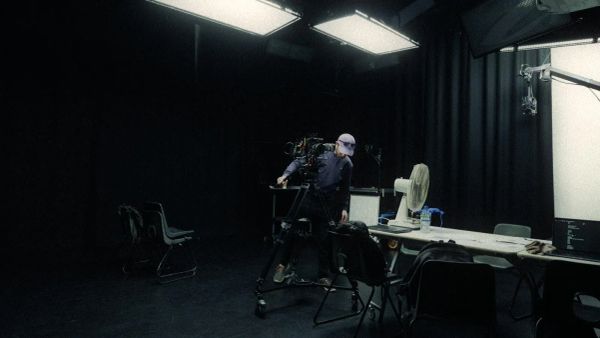
The best way to learn something is to be teach it. There is nothing quite like knowing you have to teach a complex subject to a classroom full of filmmakers to make you research that topic harder than you ever have before! For example, I had started editing in DaVinci Resolve prior to teaching and had some experience colour grading, but I had to do a 6-hour session in my first month and that pushed me to learn something I always had; the science, processes, and creativity of colour grading in DaVinci Resolve, something I now know inside out. Another example would be taking over as the 16mm film expert. I hadn’t shot on 16mm in over a decade but as a filmmaker with some strong DOP credits, I was incredibly willing to re-learn! I spent days practicing over and over again on the bolex H16, ARRI SR3, and Aaton XTR, and used it as an excuse to bring my science interests in as well, adding more aspects about the chemistry of celluloid into the curriculum.
Beyond the technical though, I learned what it is like to have 78 students looking at you to provide 6-hours of film education day-in-day-out, students who ask the most inquisitive questions that inspire you to go research topics further. Talking of students, I also realised just how diverse the next generation of filmmakers are compared to what I had been seeing day-to-day in the industry. I have met people from all walks of life from all around the world and they have taught me many things (whether consciously or by accident) about cultures and livelihoods that I simply would never have experienced otherwise.
On that topic, it seems unfortunately that something going wrong between education and industry opportunity, and it needs to change. The diversity in the classroom is not reflected in the industry. It does feel like it is changing but not as quickly as the classroom has and it is our job as working filmmakers to try and influence this change. Moreover, something I have noticed as a film lecturer is that the best films being made at universities are repeatedly the films comprised of diverse students. When a team comes together with different skills, knowledge, experiences, and approaches, and finds a way to channel all their efforts in the same direction, beautiful things happen, and I have seen this happening at universities around the country.
How has this helped advance my filmmaking career though?
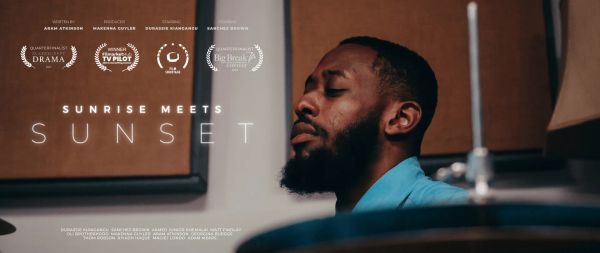
Honestly, I am not sure if I would have pitched for the BFI funding (or if I have, probably not with a strong enough script) if I hadn’t been teaching and absorbing the love of cinema from my students. Becoming a BFI-funded director was a strange feeling because it did not hit me with the same surprise and emotional response that winning FIlmarket Hub’s Best UK TV Pilot Screenplay in 2021 had. I did not feel the ‘AAHHHH YES I AM SO LUCKY’ feeling I thought I would. I felt more like ‘Ok. It’s happened. I have to make this count.’
I like to think we have made it count. I truly believe the only reason I was able to actually pull this film off (besides the incredible team I had help me do so) was because of the confidence my students had given me over the two years and the trust and belief they had shown me. As a result, I have gained significant confidence in my directing ability and my own storytelling voice, having felt a little unsure of myself after years of directing in the commercial sector (which rarely offers opportunity for scene-stealing performances and direction).
The film is almost finished and will be heading to festivals soon, and now I am daring to think about my debut feature, which no doubt will involve some of my talented and hard-working students. I expect it won’t be too long before some of these filmmaking students land a significant film fund or opportunity of their own!
So what’s the plan now?
I like to back myself into a corner sometimes; when I quit my first full-time job to go freelance, I did it because I wanted to have more time to make short films, and so in that first month of freelancing, when I didn’t have much work but lots of spare time, I had to make a short film or else admit I had quit my job for nothing. Similarly, the choice to stop freelance work indefinitely but mindful of the fact that I don’t want to teach at university forever, meant that I had to start working towards my goal of prioritising narrative over commercial, which I can gladly say I have done. So what next? What corner should I back myself into this time?
I like to think of my life in seasons, and right now I feel like my life has coincided with the time of year; having spent the last two years working in a long dark winter on our BFI-funded film Green Grass, I feel like I am on the cusp of a (hopefully blossoming) spring. We will soon be starting our festival run and I am working to be far more present on YouTube and Skillshare again with some plans in the work I hope to share soon. With a goal set to write my debut feature screenplay by the end of 2025 as well, it looks to be a busy year, but an exciting one!