BFI NETWORK Funding Advice: How to Find Your Producer
It’s that time of year again; directors in the UK are scrambling to find a producer to pitch for BFI Network Short Film Funding. Let me breakdown how I found my producer for our successful BFI application in 2023.
If you are a director, this might feel like an exciting time, but for many producers it is the absolute worst time of year. A producer doesn’t even need to follow BFI to know when their funding opens! Their inbox will suddenly inundated by directors they have never spoken to, asking them to go for the BFI fund with them. Surely this would be exciting for a producer, no? Well, sadly for both them and us directors, it is usually a frustrating time more than anything.
Why though? You might have an amazing idea and be a super talented director! Why shouldn’t they want to team up with you? The main issue is usually in the way producers are approached; out of the many invitations a producer might receive, the vast majority will often completely misunderstand the role of the producer, show little evidence of respect, and generally feel impersonal and rushed.
I know this because my producer was approached by many directors around the same time I asked her to jump on board for my short film pitch Green Grass, and yet she instantly agreed to join forces and turn down the other directors. So what did I do differently?
It’s a long game, not an overnight game
This is the same advice I give students who are looking for work; never go in with a cold ask and no prior communication.
Whether you are looking for a producer to apply for arts funding with or you are looking for work, you should always be thinking in years rather than days, weeks, or months. Makenna and I had started talking three or four years prior to applying for this BFI fund and had worked on one short film together before. EVEN SO, I was still nervous to ask Makenna about producing Green Grass and applying for the BFI Network Short Film Fund, not because I didn’t trust her, but because I was nervous to be seen as another one of those directors who comes knocking around BFI funding time.
The difference is, I had credit in the bank. Makenna and I already knew we could trust each other, work well together, and could call ourselves friends who could share a coffee. This is a massive factor for producers when being approached by directors. They are asking themselves questions like:
- How will this director react if things get stressful?
- Can I handle working with this person for what is likely to be a 6-18month project?
- Will they listen and respect me as a producer?
- Do I like their work or even have the time to watch it right now?
- Will I want to travel to film festivals around the country and world together?
And here’s the thing you might not realise, the BFI cares deeply about this aspect of your application. When we got to the interview stage, we had to prove our producer-director relationship was strong in multiple answers, with many questions being about each other and our past together, testing our unity as a creative force. The BFI is fully aware of the last-minute packaging that happens when people are applying for their funding and they want to make sure that the projects they support are not going to collapse because of rushed working relationships.
So if you want to find a producer for BFI funding, your best bet is to use this window as a time of motivation to find producers and reach out, but not with an eye to applying for BFI funding this year. Don’t even mention BFI funding! Spend this window looking for the producers who you can spend the next year building a rapport with so when next year’s application window opens, you are in a good position. Trust me, a year now could save you endless years of rejections. You don’t want to end up in the same last-minute panic of finding a producer every year!
Focus on shared values, not shared genres
So many directors try to find their producers by looking for who works in their genre or has secured funding before or has the same favourite film etc. I understand, truly I do, but what you want to make a film about is completely irrelevant if you have very different approaches on how you want to make films.
The first conversation Makenna and I ever had was about finding ways to make film sets more female-friendly. We spoke about issues like having phone numbers on callsheets, which can lead to harrassment, and crews failing to think about toilets when working in remote areas, amongst other things. This kickstarted our friendship and approach to filmmaking, believing that we must make films with more empathy and care than is the current standard in the industry.
I know there are many other producers (and directors) who feel similarly, but it was this shared opinion and the visible commitment each of us had in trying to do this that first convinced me to trust Makenna in the most important role on set when it comes to looking after people’s welfare. I like to think a producer/director can turn their hand to any genre, but how we treat people is often deeply embedded and in the high-stress situations a film project throws puts you in, you will always fall to your lowest standard rather than rise to your highest.
Having a producer you can trust is also important for the legal elements of ownership. A film is owned by the producer (the BFI will only provide funds to the producer, not you the director) and all legal entities are in the producer’s name. You might have a contract that gives you both equal rights over the project, but there will be all manner of financial, legal, and logistical questions that require your producer to be the name associated with the film.
If you find that idea scary, it is probably because you do not have a producer you trust fully, which comes from shared values, not from a shared favourite movie.
Hang out
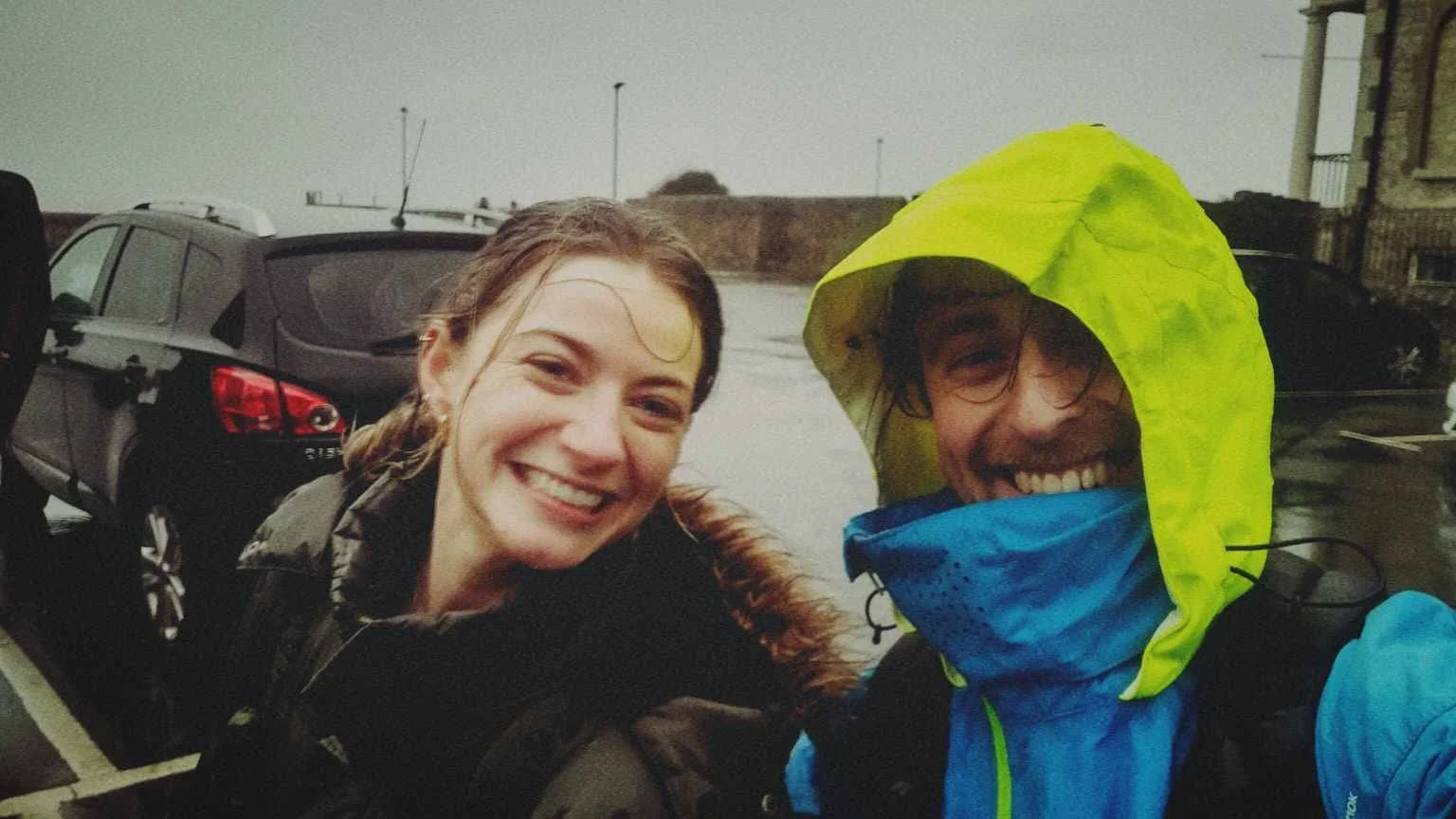
‘You shouldn’t mix business with pleasure’ they say. Except that is, if you work in the film industry.
Many of my best friends are also my closest collaborators. As a freelancer, I will only bring people on who are pleasant to spend time with and good at their jobs, and so you end up with a highly efficient, skilled, and wonderful team. If someone is not very nice then they simply won’t be invited back onto another job, so there is a natural selection process and as a result you build high-functioning environments you love to be in, which us filmmakers sometimes take it for granted how rare that is.
I am constantly bewildered to see how badly colleagues get on when I step into another sector. I have done freelance jobs where clients openly argue amongst themselves or bring us into their gossip and vent about their colleagues. If you ever want evidence that the way full-time corporations hire is generally not very good, this is it. But it is also equally understandable when you think about it…they have a very short recruitment window that leads to a very long-term commitment, whereas filmmakers have a very long recruitment window that leads to (lots of) short-term commitments. When a film fund opportunity comes up, like the BFI Network Film Fund, you shouldn’t suddenly start operating like a full-time corporation.
Go hang out with the producers you meet, get to know them. Makenna and I spoke almost every single day between August 2023 and November 2024. You would think we would be sick of each other but actually, all we really want is to be able to go hang out, eat food, do something fun and not talk about film logistics and deadlines. The day after our shoot wrapped, we went and sat in a park for hours just to de-compress from what was an emotionally and physically exhausting experience. If you can’t hang out as friends, you will likely struggle to work well together.
I believe film sets are generally one of the most efficient, high-functioning workplaces that can exist. When you think about how much gets done on a film set, how hard-working an entire workforce is and the way everyone works towards the same mission, it is unlike any (or at least many) other industries out there.
Respect each other’s work & test the waters
As equally important as being friends though, is how you respect what each other has achieved and making sure you test the waters before diving into an intense project together. I have seen the best of friends fall out because they don’t work well together. It is no good being friends but discovering on a project that you actually have a terrible working relationship.
A major issue is many filmmakers completely misunderstand the role of the producer and think it means ‘you get the money’. Technically that is not even a producer’s job, that is an executive producer’s job, and to think that is all a producer is for is massively under-appreciating the skill and value of producers. A top producer guides the creative with an informed voice that you as a director should trust and listen to. A top producer builds the team and works with the director to secure the best crew possible, they set the ethos and attitude of the set, they build relationships with locations and actors and do a thousand things that makes your life 100x easier. There are so many facets to a producer’s responsibilities and it is vital you show your awareness of them.
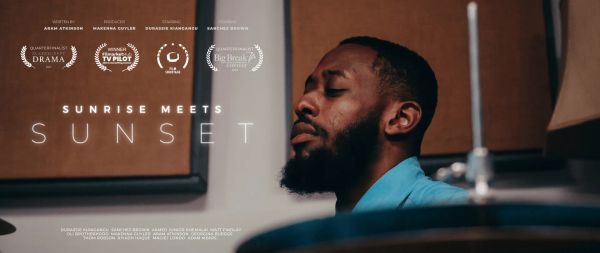
Still though, you can be great friends, both equally skilled, but not work well together, which is why you should try and do one small project together first before anything too big. Generally speaking, you will be able to tell after one project together if it will be a good fit. Makenna and I worked on Sunrise Meets Sunset together, a short proof-of-concept film I decided to make when I found out I would be pitching the idea to studios. It was a great way to test the water; we had two weeks to plan, one day to shoot it, and a weekend to edit it, so it was a short time-frame with semi-high stakes but also without the pressure of external investment if it all went wrong.
The director-producer relationship is so key that you really are looking for the golden goose. You need to be able to trust each other with both personal information and professional tasks, and still want to get a coffee together at the end of it. If you can do all of the above and find that producer, then you might just find the most important ally for your filmmaking career.